
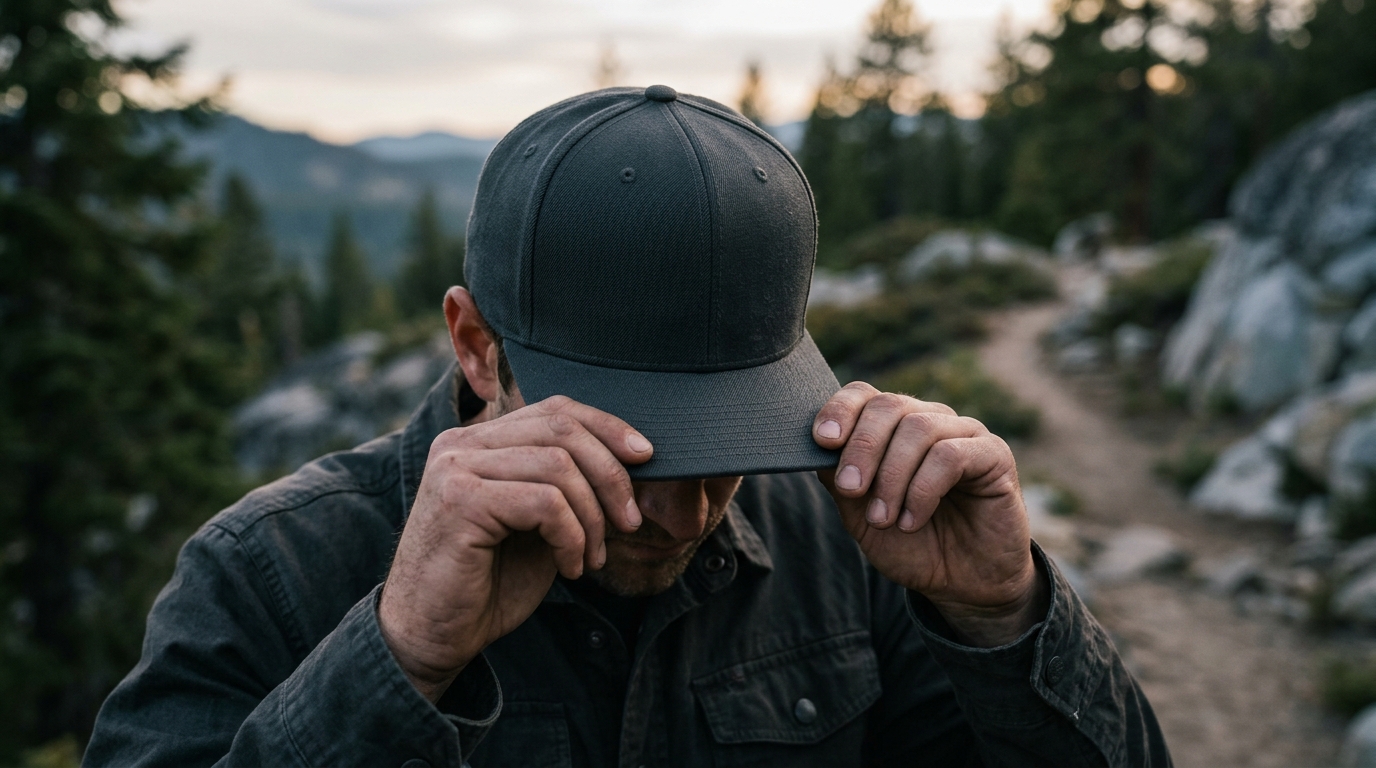
Modern headwear manufacturing has shifted dramatically toward synthetic blends that prioritize moisture-wicking over structural integrity. According to a 2024 textile durability report, nearly 60% of consumer complaints regarding caps involve premature brim warping or crown collapse within the first year of use. This decline in longevity is not accidental but a result of cost-cutting measures in the supply chain. Finding a cap that maintains its silhouette requires understanding the hidden engineering behind the fabric and the brim. This guide dissects the specific construction elements that prevent deformation and outlines the maintenance protocols necessary to extend the lifespan of your headwear investment.
Understanding Brim Construction
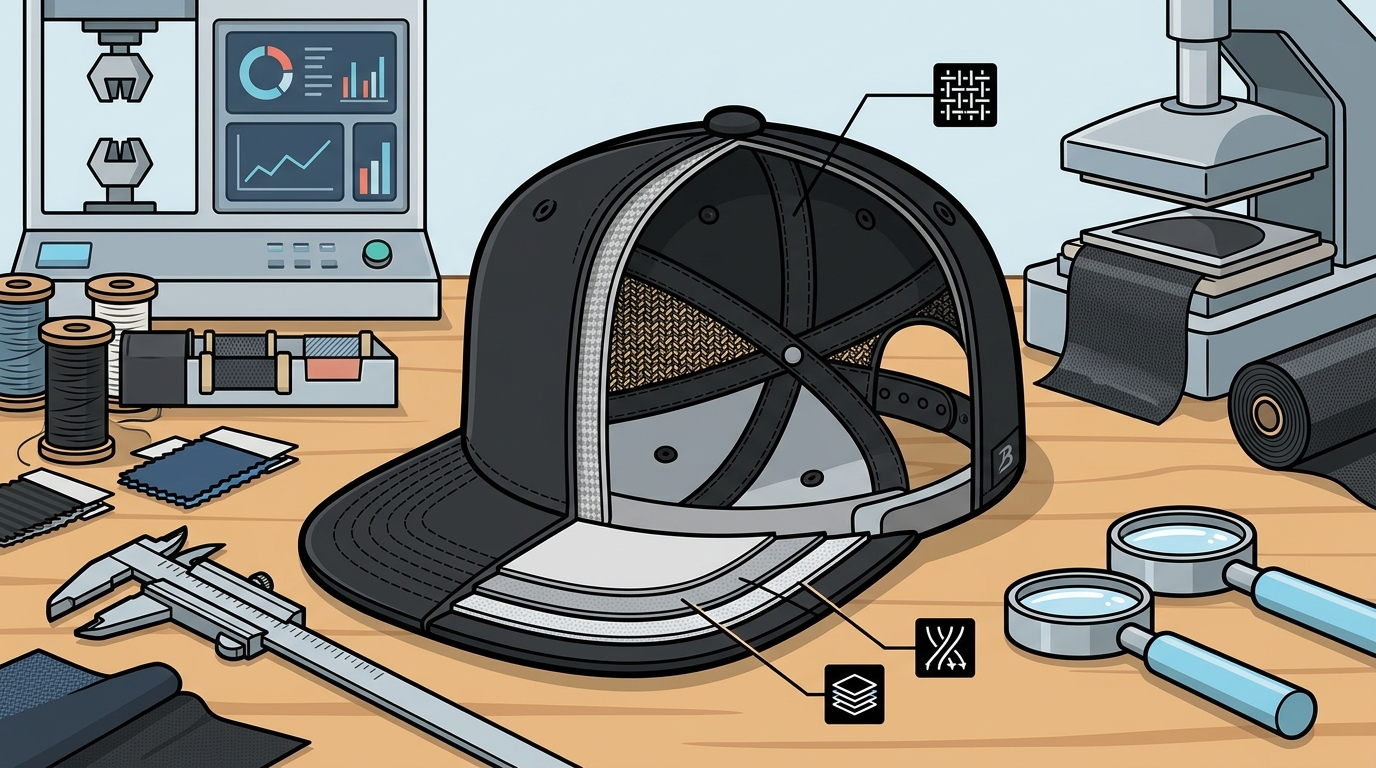
The brim is the most vulnerable component of any baseball cap. It endures constant exposure to rain, sweat, and physical impact. The durability of the brim depends entirely on the material used for its core. Traditional caps use cardboard or paper-based inserts. These materials absorb moisture rapidly. Once wet, they lose their rigidity and begin to curl. This is the primary reason most caps lose their shape quickly.
High-quality caps utilize plastic or polymer-based brim inserts. These materials are inherently water-resistant. They maintain their structural integrity even after repeated washing. When shopping for durability, always check the product specifications for "plastic brim" or "polymer core." Avoid caps that specify "cardboard" or "paper" inserts if you plan to wear them in variable weather conditions.
The attachment method also matters. Look for caps where the brim is stitched securely to the crown with multiple rows of thread. Single-stitch attachments are prone to tearing. Double or triple stitching provides the necessary tension to keep the brim flat and rigid. This structural reinforcement is a key indicator of a cap built to last.
Fabric Density and Weave Patterns
The fabric covering the brim and crown must be dense enough to resist stretching. Loose weaves allow the internal structure to shift. This shifting leads to sagging and loss of form. Cotton twill is a common material, but not all twill is created equal. The weight of the fabric, measured in ounces per square yard, determines its durability.
Heavyweight cotton, typically ranging from 10 to 12 ounces, offers superior shape retention. Lighter fabrics, often below 8 ounces, feel softer initially but stretch out quickly with wear. A dense weave also prevents sweat from penetrating the fabric. This reduces the risk of mold and mildew, which can degrade fibers over time. When you run your fingers over the fabric, it should feel tight and substantial. If it feels flimsy or see-through, it will likely lose its shape.
Another factor is the type of cotton used. Pima or Supima cotton has longer fibers. These longer fibers create a smoother, stronger yarn. Stronger yarn resists pilling and tearing. This results in a cap that looks new for longer. Synthetic blends can also offer durability. Polyester blends resist shrinking and fading. However, pure cotton often provides a better balance of comfort and structural rigidity for daily wear.
Crown Structure and Stiffening
The crown of the cap must support the weight of the brim and maintain its curved form. This is achieved through internal stiffening materials. High-end caps use buckram, a stiff fabric made from cotton or linen. Buckram is treated with starch or resin to hold its shape. It provides a firm foundation that resists crushing.
Some caps use foam inserts for structure. Foam is lightweight but can degrade over time. It may become brittle or lose its resilience. Buckram is generally more durable for long-term use. It does not break down with age. When inspecting a cap, press on the crown. It should spring back immediately. If it stays indented, the internal stiffening is insufficient.
The number of panels in the crown also affects durability. Six-panel caps are the standard. They distribute tension evenly. Five-panel or four-panel caps may have different structural dynamics. Ensure the seams are flat and secure. Raised seams can indicate poor construction. Flat seams reduce irritation and prevent weak points where the fabric might tear.
Comparing Cap Materials
Selecting the right material is crucial for longevity. Different materials offer different benefits regarding shape retention and comfort. The table below compares common cap materials based on durability and structural integrity.
| Material | Durability Rating | Shape Retention | Best Use Case |
|---|---|---|---|
| Heavyweight Cotton Twill | High | Excellent | Daily wear, outdoor activities |
| Polyester Blend | Medium-High | Good | Sweaty environments, sports |
| Wool Felt | Medium | Fair | Formal or cold weather use |
| Straw/Wicker | Low | Poor | Seasonal summer wear only |
Heavyweight cotton twill remains the gold standard for durability. It offers a balance of breathability and strength. Polyester blends are excellent for high-sweat scenarios. They dry quickly and resist mildew. However, they may not hold a crisp crease as well as cotton. Wool felt is durable but requires careful cleaning. It can shrink if washed incorrectly. Straw caps are fragile and should be treated as seasonal items.
Key Takeaways
- Always choose caps with plastic or polymer brim inserts to prevent warping from moisture.
- Look for heavyweight cotton twill, ideally 10 to 12 ounces, for superior structural integrity.
- Inspect the internal crown for buckram stiffening rather than foam, which degrades over time.
- Check for double or triple stitching on the brim attachment to ensure long-term durability.
- Avoid cardboard inserts if you plan to wear the cap in rain or humid conditions.
- Pima or Supima cotton offers longer fibers that resist pilling and tearing.
- Proper storage on a cap form is essential to maintain the crown's shape when not in use.
Frequently Asked Questions
How do I prevent my baseball cap from losing its shape?
To prevent shape loss, store your cap on a rigid cap form or stuff it with acid-free tissue paper when not in use. Avoid crushing it in bags or drawers. This maintains the crown's volume and prevents permanent creasing.
What is the best material for a durable baseball cap?
Heavyweight cotton twill is the best material for durability. It offers high tensile strength and resists stretching. It also holds its shape better than lighter fabrics or synthetic blends over time.
Can I wash a baseball cap without ruining it?
Yes, you can wash a cap safely. Use cold water and a gentle cycle in a mesh laundry bag. Air dry it on a cap form. Never put a cap with a plastic brim in the dryer, as heat can warp the brim and shrink the crown.
Why does my cap brim curl after washing?
A curling brim usually indicates a cardboard or paper insert. These materials absorb water and lose their rigidity. Caps with plastic or polymer brims will not curl after washing if dried properly.
How do I fix a misshapen baseball cap?
You can often fix a misshapen cap by steaming it. Hold the cap over boiling water or use a garment steamer. Gently mold the crown and brim back to shape with your hands. Let it cool and dry on a cap form.
What is buckram and why is it important?
Buckram is a stiff fabric used to line the inside of the cap crown. It provides structural support and helps the cap maintain its form. It is more durable than foam and resists degradation from sweat and age.
Is polyester better than cotton for cap durability?
Polyester is more resistant to shrinking and fading. However, cotton twill generally offers better shape retention and a more premium feel. For maximum durability and classic look, heavyweight cotton is often preferred.
How long should a high-quality baseball cap last?
A high-quality cap with proper care can last several years. The brim and crown should remain intact and retain their shape. Signs of wear, such as frayed stitching or faded fabric, indicate it is time for replacement.
Find Your Perfect Cap
Finding a durable baseball cap requires attention to detail. You must look beyond the logo and price. Focus on the brim material, fabric weight, and internal stiffening. These factors determine whether your cap will last for seasons or just a few weeks. At GetBanks, we curate headwear that meets these rigorous standards. Our collection features caps with reinforced brims and heavyweight fabrics designed for longevity. Explore our durable cap collection to find a hat that stands the test of time. Visit our about page to learn more about our commitment to quality craftsmanship. Contact us today for personalized recommendations on the best caps for your needs.