

Wearing a hat that feels like a vice grip around your forehead is a universal experience most people dread. According to recent consumer apparel surveys, over 60% of hat buyers report discomfort within the first hour of wear due to poor sizing or heavy materials. This statistic highlights a critical gap in the market for headwear that prioritizes ergonomic design alongside aesthetic appeal. If you are tired of adjusting your cap every ten minutes or dealing with the dreaded "hat hair" and pressure headaches, this guide will walk you through the exact specifications you need to look for. We will analyze the structural elements that determine comfort, from sweat management to crown depth, ensuring your next purchase is an investment in all-day wearability.
Step 1: Measure Your Head Correctly
The foundation of a comfortable hat is an accurate measurement. Many people guess their size, leading to hats that are either too tight or too loose. A hat that is too tight creates pressure points along the frontal bone, causing headaches. A hat that is too loose will shift during movement, requiring constant adjustment.
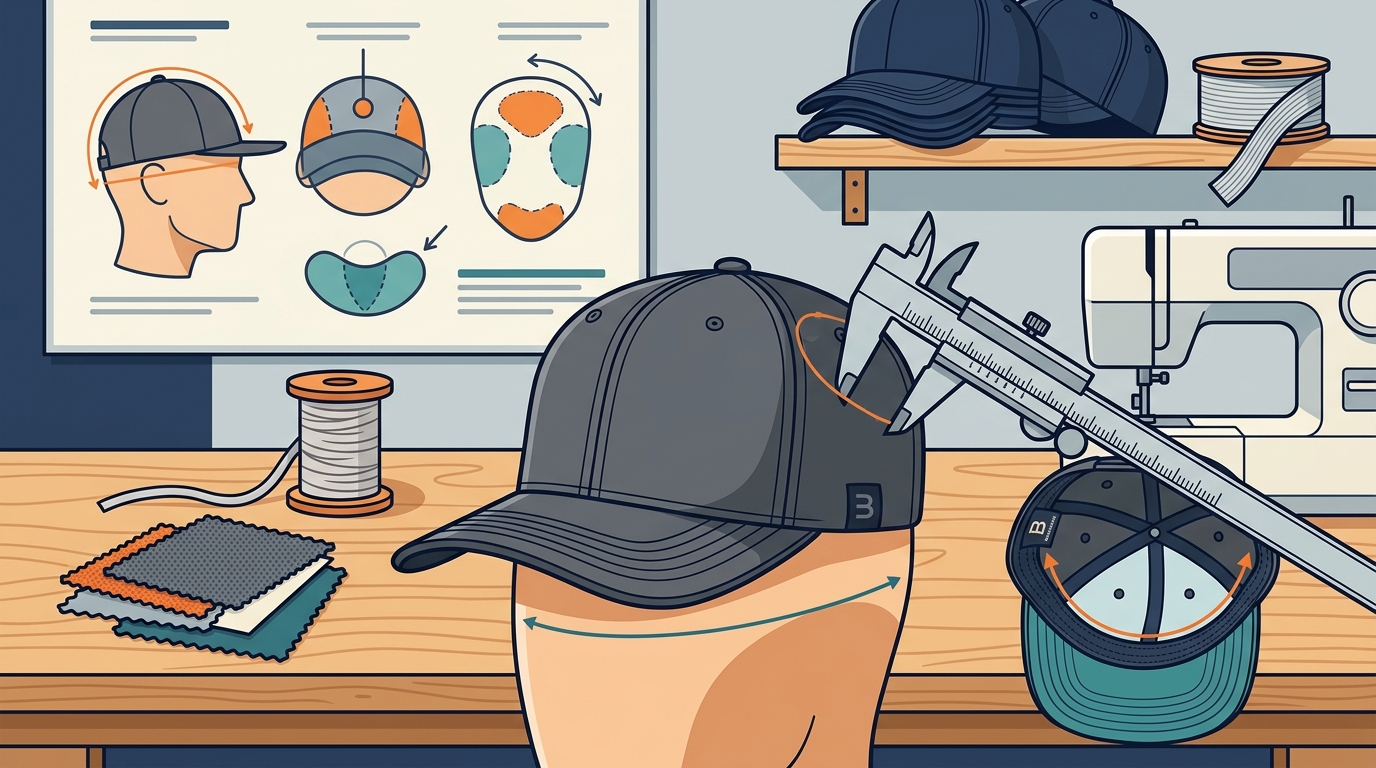
To get the right fit, use a flexible measuring tape. Wrap it around your head approximately one inch above your eyebrows and ears. Record the measurement in inches or centimeters. Compare this number to the brand's specific size chart. At Banks Headwear, we provide detailed sizing guides to ensure you land on the perfect fit. Remember that head sizes can fluctuate slightly with temperature and hydration levels, so measuring at different times of the day can provide a more accurate average.
Step 2: Choose Breathable, Lightweight Materials
The fabric of your hat dictates how your head feels throughout the day. Traditional wool or heavy cotton blends can trap heat and moisture, leading to discomfort. For all-day wear, you need materials that actively manage sweat and allow airflow.
Moisture-wicking technology is essential for maintaining comfort. This process pulls sweat away from the skin to the outer surface of the fabric where it can evaporate quickly. This keeps your forehead dry and prevents the hat from becoming heavy and saggy. Additionally, look for fabrics described as "lightweight" or "breathable." These materials reduce the overall load on your head, preventing the fatigue associated with heavy headwear.
At Banks Headwear, our Icon Tropical collection is engineered specifically for this purpose. The materials are designed to be water-friendly and floatable, which implies a specialized, low-density construction that remains buoyant and light even when wet. This is a significant advantage for outdoor activities where weather conditions can change rapidly.
Step 3: Select the Right Closure System
The closure mechanism determines how securely the hat stays on your head and how adjustable it is. There are three primary types of closures, each with distinct comfort implications.
Adjustable Straps
Adjustable straps, such as Velcro or plastic buckles, offer the most versatility. They allow you to fine-tune the fit to your exact head circumference. This is ideal for people whose head size varies or who wear the hat over different types of hair. The ability to loosen the hat slightly at the end of the day can relieve pressure.
Snapbacks
Snapback closures are popular for their aesthetic appeal and durability. They provide a secure fit but offer less granular adjustment than straps. If you choose a snapback, ensure it has a comfortable inner band to prevent the plastic snaps from digging into your skin.
Fitted Caps
Fitted caps offer a sleek, uniform look but require precise sizing. If you are between sizes, a fitted hat may feel too tight. For maximum comfort, an adjustable closure is generally recommended for all-day wear.
Step 4: Evaluate Crown Depth and Fit
Crown depth refers to the distance from the brim to the top of the hat. This dimension affects how the hat sits on your head and how much room there is for your hair or scalp ventilation.
A shallow crown can feel restrictive, especially if you have thicker hair. It presses down on the top of your head, reducing airflow. A deeper crown allows for better air circulation and accommodates different hairstyles without feeling tight. When trying on a hat, check if the brim rests comfortably on your forehead without obstructing your vision. The Fit Guide at Banks Headwear provides visual aids to help you understand how different crown depths interact with facial structures.
Step 5: Analyze the Total Weight
The weight of a hat is often overlooked until you have been wearing it for several hours. A heavy hat can cause neck strain and shoulder fatigue over time. For all-day comfort, aim for hats that are explicitly labeled as lightweight.
Consider the materials used in the construction. Synthetic blends often offer a better strength-to-weight ratio than natural fibers. They are also more durable and easier to clean. At Banks Headwear, we prioritize lightweight construction in our Icon series. This ensures that the hat feels almost weightless on your head, allowing you to focus on your activities rather than your accessory.
Comparison of Hat Types for Comfort
Understanding the differences between hat types can help you make an informed decision. The table below summarizes the key comfort factors for common hat styles.
| Hat Type | Adjustability | Breathability | Best For | Comfort Level |
|---|---|---|---|---|
| Performance Snapback | High | High | Outdoor Activities | Excellent |
| Classic Cotton Cap | Medium | Medium | Casual Wear | Good |
| Wool Beanie | Low | Low | Winter Cold | Moderate |
| Fitted Baseball Cap | None | Medium | Uniform/Pro Look | Variable |
As shown in the table, performance-oriented hats like the Icon Tropical series offer superior adjustability and breathability compared to traditional cotton or wool options. This makes them the ideal choice for individuals who prioritize comfort during extended wear.
Key Takeaways
- Accurate Measurement: Always measure your head circumference one inch above the eyebrows to ensure a precise fit.
- Material Science: Prioritize moisture-wicking and lightweight fabrics to prevent heat buildup and sweat accumulation.
- Adjustability: Choose adjustable closures like straps or snapbacks to customize the fit and relieve pressure.
- Crown Depth: Opt for deeper crowns to allow for better airflow and accommodate different hair volumes.
- Weight Matters: Select hats explicitly designed to be lightweight to reduce neck and shoulder strain.
- Brand Specifics: Banks Headwear offers specialized collections like the Icon Tropical series, which features floatable, water-friendly materials for ultimate comfort.
- Fit Guide: Utilize available fit guides and sizing charts from reputable brands to avoid guesswork.
Frequently Asked Questions
How do I know if a hat is too tight?
If you feel a distinct band of pressure around your forehead or the back of your head, the hat is likely too tight. You may also experience headaches or red marks on your skin after removing the hat. A properly fitting hat should feel secure without constricting.
What is the best material for a hat to wear all day?
Lightweight, breathable synthetic blends are generally the best for all-day wear. They offer moisture-wicking properties and are less likely to retain heat compared to cotton or wool. Materials that are described as "performance" fabrics are specifically engineered for this purpose.
Can I adjust a hat that is slightly too big?
Yes, you can use hat sizing tape or foam inserts to reduce the circumference of a hat that is slightly too big. These inserts are placed inside the sweatband and can be easily adjusted or removed as needed.
Why does my hat leave a mark on my forehead?
A mark on your forehead indicates that the hat is too tight or the material is too stiff. Over time, this can lead to discomfort and headaches. Switching to a hat with a softer inner band or a more adjustable closure can help alleviate this issue.
How do I clean a performance hat?
Most performance hats can be hand-washed in cold water with a mild detergent. Avoid using bleach or fabric softeners, as these can damage the moisture-wicking properties of the fabric. Air dry the hat away from direct heat to maintain its shape.
What is the difference between a snapback and a strapback?
A snapback uses a plastic snap closure at the back, offering a fixed set of sizes. A strapback uses a fabric strap with a buckle or Velcro, allowing for continuous adjustment. Strapbacks generally offer a more customized fit for all-day comfort.
Are Banks Headwear hats suitable for sensitive scalps?
Yes, Banks Headwear designs its hats with comfort in mind. The Icon Tropical collection features lightweight, breathable materials that reduce irritation. Additionally, the inner bands are designed to be soft against the skin, making them suitable for sensitive scalps.
Shop Premium Comfort
Choosing the right hat is about more than just style. It is about finding a piece of headwear that respects your comfort and enhances your daily experience. By focusing on accurate sizing, breathable materials, and adjustable closures, you can ensure that your hat remains a comfortable companion throughout the day.
Explore the Banks Headwear collection to find the perfect fit for your needs. Our Icon Tropical and Icon Camo series are designed with premium performance in mind, offering the comfort and durability you deserve. Visit our Fit Guide to start your journey toward all-day comfort today.