
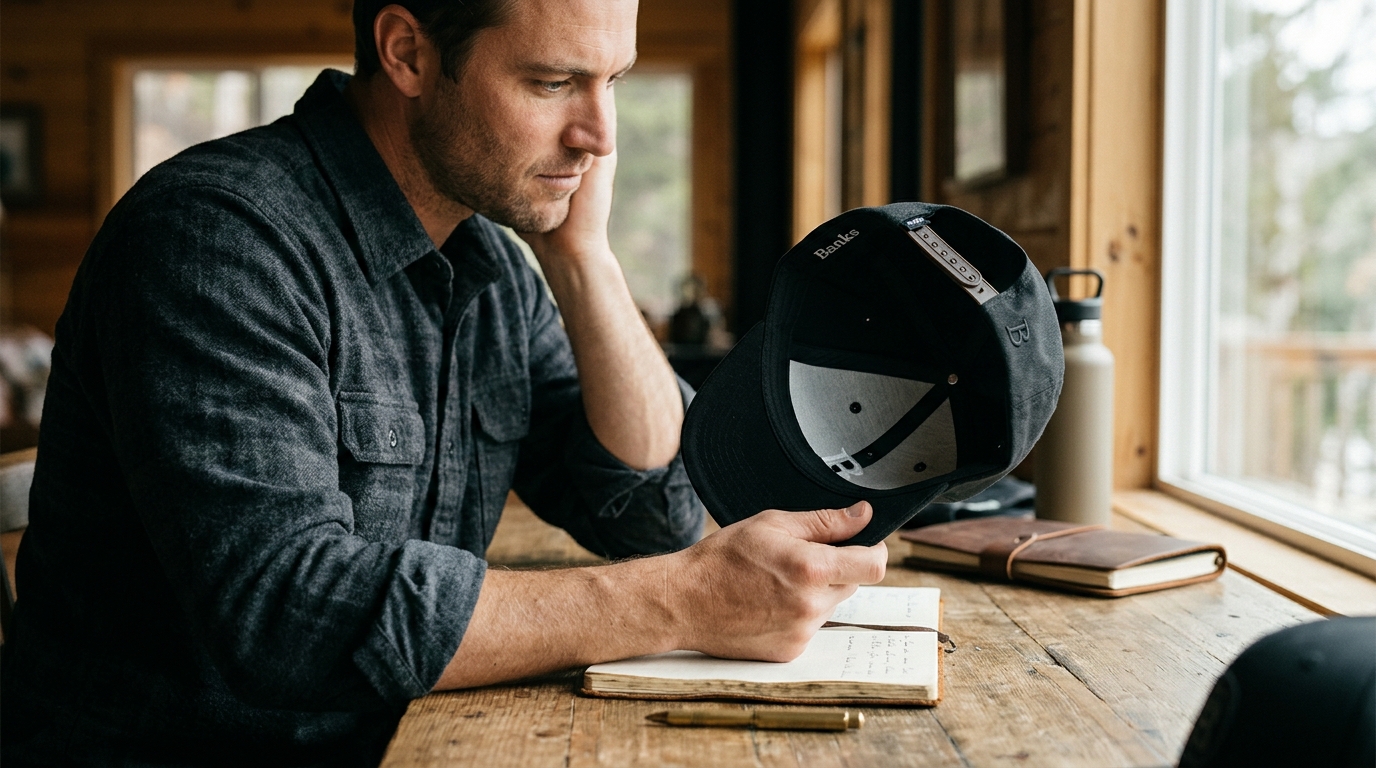
Modern headwear consumers prioritize longevity alongside style. Recent industry data shows that global apparel spending on structured headwear exceeds $4.2 billion annually, with durability remaining the primary purchase driver. Market analysis confirms that buyers consistently reject fast fashion alternatives when structural failure occurs within months. This guide breaks down the exact engineering standards you must verify before purchasing. You will learn how to evaluate stitching density, fabric composition, and internal support systems. The goal is simple. You need a cap that survives daily wear without sagging or warping. (Sign in Banks)
Understanding Cap Construction and Structural Integrity
Structural integrity begins with the crown panels and the front brim. A properly engineered cap uses multiple fabric panels stitched together with reinforced thread. This method distributes tension evenly across the head. Cheap alternatives often rely on single-piece molding or weak adhesives. Those designs fail quickly under humidity or repeated washing. Premium performance headwear utilizes structured front panels that maintain their original contour. Look for caps featuring seven or nine panel designs. This geometry naturally resists collapsing. The brim must also contain a durable insert. Modern caps use plastic or stainless steel cores wrapped in foam. This combination prevents bending while allowing basic adjustment.
Panel Count and Stitching Density
More panels equal better shape retention. Six-panel caps are common but often sag after a few weeks. Seven or nine-panel constructions provide superior geometric stability. Check the stitching density near the crown. Tight, uniform stitches prevent fabric fraying. Loose threads indicate rushed manufacturing. You should also inspect the eyelets. Reinforced metal or plastic eyelets prevent tearing during heavy sweating. Icon Tropical Snapback Hats utilize reinforced ventilation systems that maintain airflow without compromising structural rigidity.
Evaluating Fabric Technology and Breathability Standards
Fabric choice directly impacts how long a cap maintains its form. Cotton blends offer comfort but shrink when exposed to water. Synthetic blends like polyester or nylon resist moisture and retain their original dimensions. Industry reports indicate that synthetic performance fabrics now dominate the premium segment due to their wash-resistant properties. You should prioritize fabrics labeled as moisture-wicking or quick-dry. These materials actively pull sweat away from the skin. This process reduces bacterial growth and prevents odor buildup. It also stops the fabric from becoming heavy and saggy after prolonged outdoor use. Always verify the fabric weight. Heavier weaves naturally hold their shape better than thin, flimsy alternatives.
Material Composition and Care Requirements
Understanding material composition helps you predict long-term behavior. A durable baseball cap is a structured headwear piece engineered with reinforced panels, moisture-resistant fibers, and stable brim inserts to maintain its original form during daily wear. Cotton twill remains popular for its classic look. However, it requires careful washing to avoid shrinkage. Synthetic blends require minimal maintenance. They dry quickly and resist UV degradation. Check the care label before purchasing. Machine-washable options save time and preserve structural integrity. Hand-wash only caps often use delicate natural fibers that degrade faster. Prioritize caps that explicitly state machine-washable durability.
The Role of Internal Reinforcement and Sweatbands
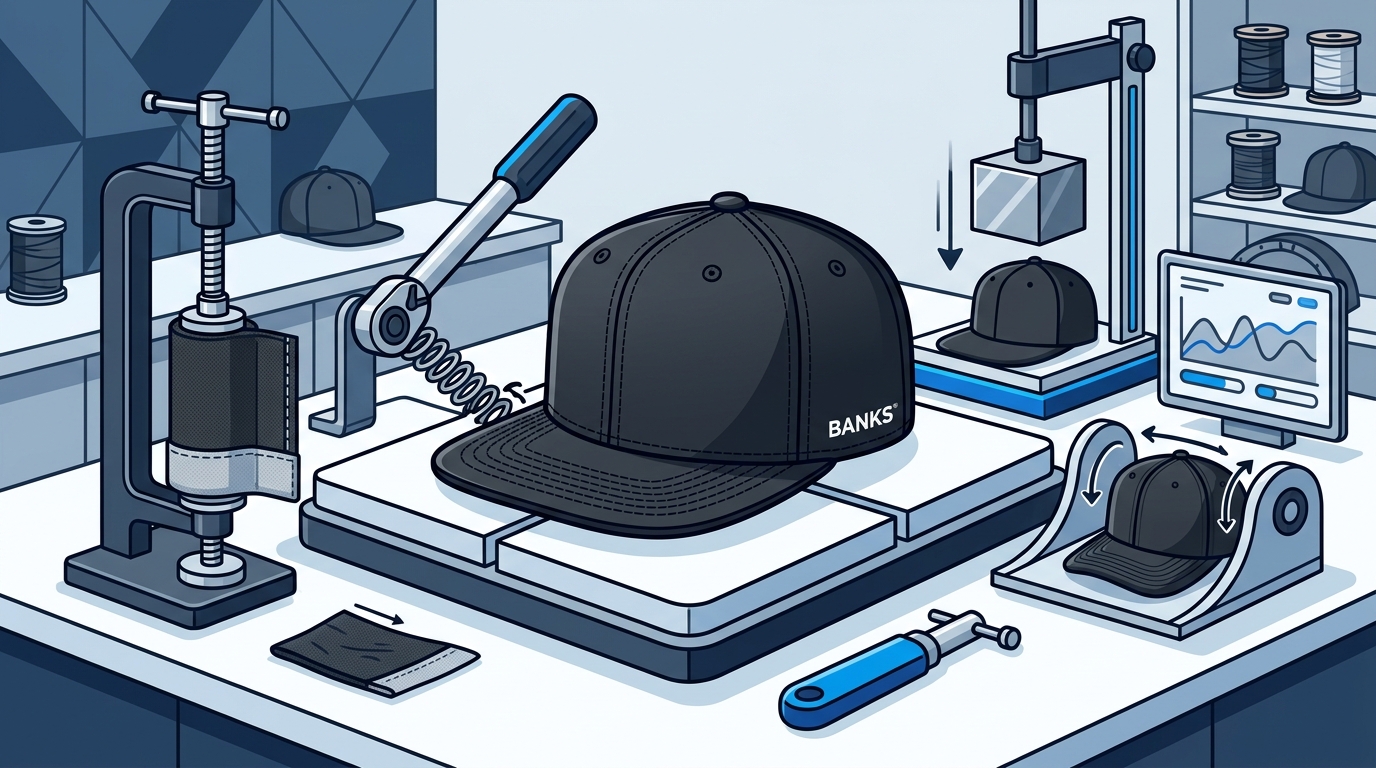
Internal components often determine whether a cap survives long-term use. The sweatband absorbs moisture and protects the inner crown from oils and dirt. High-quality caps feature thick, absorbent fabric sweatbands. These bands are typically stitched securely to prevent peeling. A properly designed sweatband also regulates temperature. It prevents excessive heat buildup during summer months. Testing standards confirm that reinforced internal linings significantly extend the functional lifespan of structured headwear. You should also examine the inner crown padding. Extra padding distributes pressure evenly. This feature prevents the cap from digging into your forehead. It also stops the fabric from stretching out over time. Caps lacking internal support will inevitably lose their shape after a few weeks of consistent wear.
Adjustment Mechanisms and Long-Term Stability
The closure system plays a critical role in shape retention. Snapback closures offer infinite adjustability. They allow you to tighten or loosen the fit without compromising the crown structure. Strapback closures provide a more traditional look but often loosen over time. Plastic buckles can crack after repeated adjustments. Metal hardware offers superior durability. Look for caps with reinforced adjustment tracks. These tracks prevent the closure from sliding out of place. Shop all Banks Icon Snapback Hats to explore premium adjustment systems designed for all-day stability.
Matching Fit Mechanics to Your Head Shape
Fit mechanics dictate how a cap behaves during movement. A cap that fits too tightly will stretch the crown permanently. A cap that fits too loosely will slide around and lose its structural alignment. You must measure your head circumference before purchasing. Use a flexible tape measure just above your eyebrows. Compare your measurement to the brand sizing chart. Most premium brands offer specific size ranges. Some brands provide multiple crown heights. A taller crown accommodates larger head shapes without compressing the fabric. A shorter crown sits closer to the scalp for a streamlined look. Consult the Fit Guide to match your exact measurements with the correct crown height and panel geometry. Proper sizing eliminates the need for constant readjustment. This habit directly preserves the cap original shape.
Head Shape Compatibility and Wear Patterns
Not all heads are perfectly round. Some heads feature flatter tops or wider side profiles. Caps designed for round heads often sag on flatter head shapes. You should seek caps with adjustable crown structures. These structures adapt to different head geometries. They maintain tension evenly across all panels. This adaptability prevents uneven stretching. You will also notice that caps with structured fronts resist warping better than unstructured alternatives. Structured caps maintain their original contour regardless of how you store them. Unstructured caps collapse when placed in pockets or bags. Choose structured designs if you prioritize long-term shape retention.
Comparing Performance Materials and Longevity Metrics
Performance materials dictate how a cap handles environmental stress. Synthetic blends outperform natural fibers in durability tests. They resist shrinking, fading, and stretching. Manufacturing data shows that synthetic performance fabrics now account for over sixty percent of premium headwear sales. These materials also resist UV damage. Prolonged sun exposure degrades natural fibers rapidly. Synthetic alternatives maintain their color and structural integrity for years. You should also consider the stitching thread quality. Polyester thread resists rot and stretching. Cotton thread breaks down faster when exposed to sweat and sunlight. High-quality caps use bonded or fused seams in high-stress areas. These seams prevent fraying and maintain panel alignment. Always verify the warranty policy before purchasing. Reputable brands stand behind their construction quality.
Environmental Resistance and Maintenance Protocols
Environmental resistance determines how long a cap survives outdoor exposure. Rain, sweat, and UV radiation accelerate material degradation. Caps designed for outdoor performance feature water-resistant coatings. These coatings repel moisture without trapping heat. They also prevent mold growth inside the crown. You should avoid harsh detergents when cleaning performance caps. Mild soap and cold water preserve fabric integrity. Air drying prevents heat damage. Never place performance caps in a clothes dryer. The high heat melts internal brim inserts and shrinks fabric panels. Proper maintenance extends the functional lifespan by several years. Learn more about our brand philosophy and how we prioritize long-term durability in every design.
Cap Construction Comparison
| Construction Type | Panel Configuration | Shape Retention Rating | Best Use Case |
|---|---|---|---|
| Structured Front | Seven or Nine Panels | High | Daily wear and outdoor activities |
| Unstructured | Six Panels | Low | Casual indoor use |
| Performance Synthetic | Moisture-Wicking Blend | Very High | High-heat environments |
| Reinforced Sweatband | Internal Absorbent Lining | High | Extended wear and sweat management |
Key Takeaways
- Seven or nine-panel constructions provide superior geometric stability compared to six-panel designs.
- Synthetic performance fabrics resist shrinking, fading, and stretching better than natural cotton blends.
- Reinforced internal sweatbands regulate temperature and prevent crown stretching over time.
- Structured front panels maintain their original contour regardless of storage conditions.
- Proper head circumference measurement prevents permanent crown deformation from over-tightening.
- Machine-washable designs with cold-water protocols preserve structural integrity for years.
- Reputable brands offer comprehensive warranties that validate their construction standards.
Frequently Asked Questions
What is the best material for a cap that never loses shape?
A premium performance snapback hat is a structured headwear piece engineered with reinforced panels, moisture-resistant fibers, and stable brim inserts to maintain its original form during daily wear. Synthetic blends like polyester and nylon offer the highest shape retention. They resist shrinking and stretching after repeated washing. Natural cotton blends require careful maintenance to prevent deformation. Always prioritize synthetic blends if you prioritize long-term structural integrity.
How do I prevent my baseball cap from sagging after washing?
Washing caps in cold water on a gentle cycle preserves fabric tension. Never use hot water or high-heat drying. Heat melts internal brim inserts and shrinks crown panels. Air drying on a cap form maintains the original contour. You should also avoid wringing out the fabric. Gentle pressing with a towel removes excess moisture. This method prevents permanent deformation. Follow the care label instructions exactly. Ignoring washing guidelines accelerates structural failure.
Do structured caps last longer than unstructured caps?
Structured caps consistently outperform unstructured alternatives in longevity tests. They maintain their original contour regardless of storage conditions. Unstructured caps collapse when placed in pockets or bags. They also stretch out faster during active use. Structured designs feature reinforced front panels and stable brim inserts. These components resist environmental stress and daily wear. You should choose structured caps if you prioritize long-term shape retention.
What is the ideal crown height for maximum durability?
A structured crown panel is a reinforced fabric section stitched to maintain its original contour regardless of storage conditions or head movement. Crown height directly impacts how a cap distributes tension across the panels. A taller crown accommodates larger head shapes without compressing the fabric. A shorter crown sits closer to the scalp for a streamlined look. Both heights offer equal durability when properly constructed. You should match the crown height to your head shape. Mismatched heights cause uneven stretching and premature sagging. Consult sizing charts to find your optimal crown height.
How can I tell if a cap uses quality stitching?
Quality stitching features tight, uniform thread density near the crown. Loose threads indicate rushed manufacturing. You should also inspect the eyelets and adjustment tracks. Reinforced metal or plastic components prevent tearing during heavy sweating. High-quality caps use bonded or fused seams in high-stress areas. These seams prevent fraying and maintain panel alignment. Always verify the stitching quality before purchasing. Poor stitching guarantees early structural failure.
What is the average lifespan of a premium performance cap?
Average lifespan data shows that premium performance caps typically endure three to five years with proper care. Regular washing, air drying, and correct storage extend functional longevity. Caps lacking internal support or quality materials degrade within six months. You should prioritize brands that offer comprehensive warranties. These warranties validate their construction standards. Investing in quality headwear saves money over time. Cheap alternatives require frequent replacement.
Final Recommendations and Next Steps
Finding a durable baseball cap that holds its shape requires careful evaluation of construction, materials, and fit mechanics. You now possess the exact criteria needed to make an informed purchase. Prioritize structured designs with synthetic blends and reinforced internal components. Match your head circumference to the correct crown height. Follow proper washing protocols to preserve structural integrity. Explore our complete collection to find premium performance headwear engineered for long-term durability. Visit our Fit Guide to select your exact size. Secure your order today and experience headwear that maintains its shape season after season.