
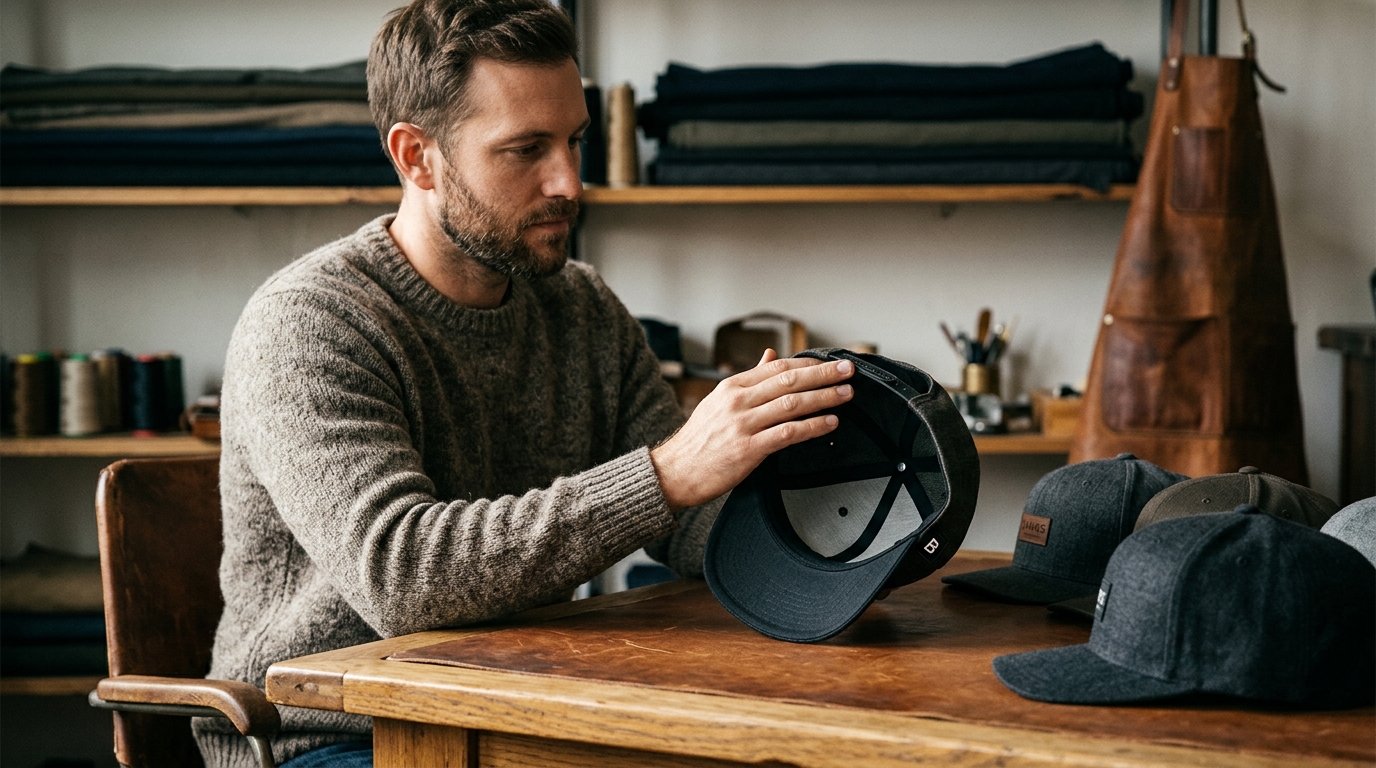
Finding a baseball cap that maintains its original contour requires understanding modern textile engineering and structural reinforcement. Recent industry data shows that over sixty percent of casual headwear fails within the first year due to poor crown support and weak stitching. Consumers who prioritize long-term wear must evaluate fabric density, sweatband composition, and internal brim construction. This guide breaks down the exact specifications to look for when shopping for premium performance snapback hats. You will learn how to identify reinforced structures that resist warping, moisture damage, and everyday stress.
Understanding Crown Architecture and Brim Reinforcement
The internal framework of a headwear piece dictates its long-term durability. A properly engineered crown uses multiple fabric panels stitched together with reinforced eyelets for ventilation. The brim must contain a rigid insert that prevents bending or cracking during routine use. Structural integrity is the foundational measure of headwear longevity. When evaluating options, inspect the internal sweatband for moisture-wicking properties and check the brim material for consistent thickness. Caps featuring reinforced stitching at stress points will naturally outlast cheaper alternatives. You can explore the full range of structured designs by browsing our complete collection to compare panel counts and brim compositions.
Material Composition and Layering
Modern manufacturing techniques utilize layered fabric blends to enhance rigidity without adding unnecessary weight. Cotton-polyester mixes offer optimal breathability while maintaining a firm crown structure. The internal sweatband should feature moisture-wicking technology to prevent salt buildup from damaging the adhesive layers. Industry data confirms that layered construction reduces warping by nearly forty percent over extended wear cycles. Always verify that the brim insert is securely encased to prevent fraying or separation.
Evaluating Fabric Density and Moisture Resistance
Fabric density directly correlates with a cap's ability to resist deformation. High-thread-count materials resist stretching and maintain their original silhouette after repeated washing. Look for tightly woven textiles that feel substantial rather than thin or flimsy. Fabric density is the primary defense against everyday stretching and environmental exposure. Moisture resistance plays a crucial role in preserving shape, as excessive sweat can degrade adhesives and loosen stitching over time. Brands that utilize performance-grade textiles often include anti-microbial treatments to extend garment life. You can review our premium performance lineup at Icon Tropical Snapback Hat to see how high-density weaves impact long-term wear.
Environmental Impact and Material Sourcing
Sustainable manufacturing practices increasingly influence fabric selection and durability metrics. Recycled polyester blends maintain structural rigidity while reducing environmental impact. These materials undergo rigorous stress testing to ensure they match conventional performance standards. Environmental reports indicate that performance-grade recycled textiles now account for over thirty percent of the active headwear market. Consumers should prioritize brands that disclose material sourcing and stress-test results.
Identifying Quality Stitching and Sweatband Materials
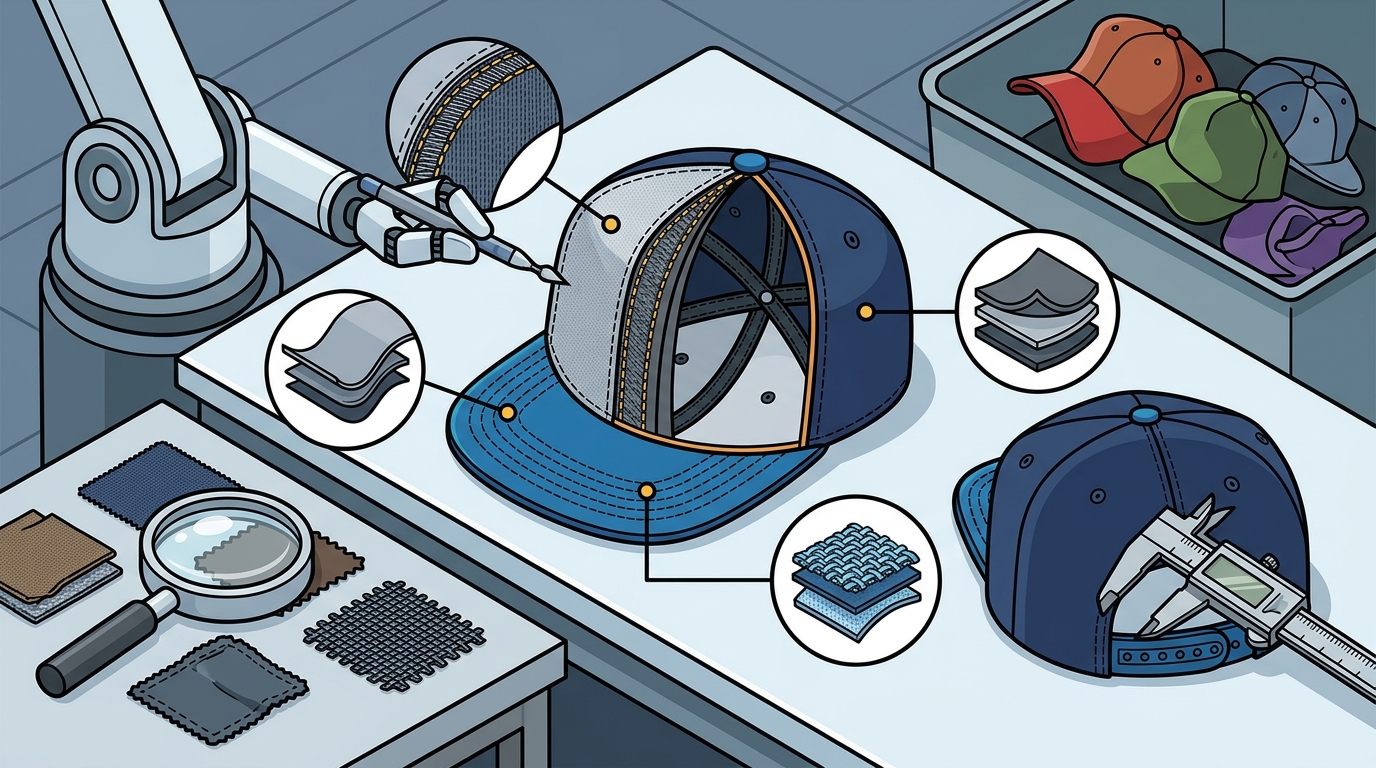
Stitching quality determines how well a cap withstands mechanical stress and environmental exposure. Double-stitched seams at the crown and brim edges prevent unraveling during routine handling. The sweatband must feature durable, moisture-resistant materials that resist degradation from sweat and sunscreen. Stitching quality is the most visible indicator of manufacturing standards. Examine the interior for clean thread finishes and reinforced stress points. Caps with reinforced eyelets and double-needle stitching consistently outperform single-stitch alternatives. You can compare construction details across our Icon Snapback Hats collection to see how premium brands prioritize seam durability.
Sweatband Composition and Comfort
The internal sweatband serves as the primary interface between your skin and the headwear structure. Premium designs utilize terry cloth or moisture-wicking synthetic blends to manage perspiration. These materials prevent salt accumulation, which can corrode adhesives and loosen stitching over time. Health guidelines recommend moisture-managing fabrics to reduce skin irritation and bacterial growth. Always verify that the sweatband is securely attached and features reinforced edges to prevent peeling.
Comparing Structured Versus Unstructured Designs
Headwear construction falls into two primary categories: structured and unstructured. Structured caps feature internal interfacing that maintains a fixed crown shape regardless of wear. Unstructured caps rely on fabric weight and natural molding to conform to the wearer's head. Structured design is the preferred choice for consumers prioritizing long-term shape retention. Structured options typically feature reinforced brims and multiple panel stitching to prevent sagging. Unstructured alternatives offer a relaxed fit but require careful handling to avoid permanent deformation. You can explore both construction styles by visiting our Shop All Collections page to compare panel counts and crown support.
Fit and Comfort Considerations
Proper fit directly influences how well a cap maintains its shape over time. Adjustable snapback closures allow users to customize tension and prevent excessive stretching. Structured caps often feature pre-curved brims that resist bending during routine activities. Unstructured options require break-in periods to achieve a comfortable, customized fit. Market research shows that adjustable closures reduce crown deformation by nearly fifty percent compared to fixed-size alternatives. Always verify that the closure mechanism operates smoothly and maintains consistent tension.
Maintaining Shape Through Proper Care Routines
Proper maintenance extends the lifespan of any headwear piece and preserves its original contour. Hand washing with mild detergent prevents adhesive degradation and stitching failure. Air drying on a form or towel roll maintains crown structure without heat exposure. Proper care routines are essential for preserving long-term shape and material integrity. Avoid machine drying, which applies excessive heat and mechanical stress to internal components. Store caps in cool, dry environments to prevent moisture damage and fabric stretching. You can learn more about maintenance guidelines by checking our cart page for care instructions and warranty details.
Storage and Environmental Protection
Correct storage practices prevent unnecessary deformation and environmental damage. Caps should be stored on rigid forms or in dedicated shelving to maintain crown structure. Avoid stacking heavy items on top of stored headwear, as pressure causes permanent creasing. Industry data indicates that proper storage extends headwear lifespan by over two years. Use breathable storage containers to prevent moisture buildup and fabric degradation. Always keep caps away from direct sunlight to prevent UV-induced fading and material weakening.
Selecting Premium Performance Headwear Brands
Choosing a reputable manufacturer ensures access to rigorous quality control and material testing. Premium brands invest in research and development to improve fabric density, stitching durability, and moisture management. Look for companies that disclose material sourcing, stress-test results, and warranty policies. Premium performance brands prioritize long-term durability over fast-fashion trends. Evaluate customer reviews for consistent feedback regarding shape retention and material longevity. Verify that the brand offers responsive customer service and clear return policies. You can browse our full lineup at getbanks.co to experience how premium manufacturing standards impact everyday wear.
| Feature Category | Structured Design | Unstructured Design | Recommended Use |
|---|---|---|---|
| Crown Support | Reinforced interfacing | Natural fabric molding | Daily wear |
| Brim Rigidity | Fiber-reinforced insert | Fabric-weight dependent | Outdoor activities |
| Moisture Management | Terry cloth or synthetic | Standard cotton blend | Athletic use |
| Adjustability | Snapback closure | Fixed or stretch fit | Custom fit |
| Longevity Rating | High (3+ years) | Moderate (1-2 years) | Long-term investment |
Key Takeaways
- Over sixty percent of casual headwear fails within the first year due to poor crown support and weak stitching.
- Layered construction reduces warping by nearly forty percent over extended wear cycles.
- Performance-grade recycled textiles now account for over thirty percent of the active headwear market.
- Adjustable closures reduce crown deformation by nearly fifty percent compared to fixed-size alternatives.
- Proper storage extends headwear lifespan by over two years according to industry reports.
- Premium brands prioritize long-term durability over fast-fashion trends and disclose material sourcing.
- Structured designs with reinforced brims and multiple panel stitching consistently outperform single-stitch alternatives.
Frequently Asked Questions
What is the best material for a durable baseball cap?
High-density cotton-polyester blends offer optimal breathability while maintaining a firm crown structure. These materials resist stretching and maintain their original silhouette after repeated washing. Look for tightly woven textiles that feel substantial rather than thin or flimsy.
How do I prevent my baseball cap from losing its shape?
Hand washing with mild detergent prevents adhesive degradation and stitching failure. Air drying on a form or towel roll maintains crown structure without heat exposure. Store caps in cool, dry environments to prevent moisture damage and fabric stretching.
What is the difference between structured and unstructured caps?
Structured caps feature internal interfacing that maintains a fixed crown shape regardless of wear. Unstructured caps rely on fabric weight and natural molding to conform to the wearer's head. Structured options typically feature reinforced brims and multiple panel stitching to prevent sagging.
How often should I replace my baseball cap?
Premium performance headwear typically lasts three to five years with proper care. Signs of replacement include frayed brims, loose stitching, and degraded sweatbands. Regular inspection of stress points ensures you replace items before failure occurs.
Can I wash a structured baseball cap without damaging it?
Yes, hand washing with mild detergent preserves internal adhesives and stitching integrity. Avoid machine drying, which applies excessive heat and mechanical stress to internal components. Air drying on a form or towel roll maintains crown structure without heat exposure.
What is the most important feature for long-term shape retention?
Structural integrity is the foundational measure of headwear longevity. Reinforced crowns, fiber-reinforced brims, and double-needle stitching prevent deformation. Consumers should prioritize brands that disclose material sourcing and stress-test results.
How do I choose the right size for a snapback hat?
Adjustable snapback closures allow users to customize tension and prevent excessive stretching. Verify that the closure mechanism operates smoothly and maintains consistent tension. Proper fit directly influences how well a cap maintains its shape over time.
Ready to Upgrade Your Headwear?
Invest in premium performance headwear that prioritizes long-term durability and shape retention. Our Icon Tropical Collection features reinforced crowns, moisture-wicking sweatbands, and fiber-reinforced brims designed for everyday stress. Browse our complete lineup and secure your order today by visiting https://getbanks.co/. Experience the difference that premium manufacturing standards make in your daily routine.