

You finally found a hat that fits perfectly, and a few weeks later it feels loose and sloppy. Sound familiar? Hat stretching is one of the most common headwear frustrations, and it usually comes down to material quality, moisture exposure, and how you handle your cap day to day. The good news is that most stretched hats can be rescued, and future stretching can be prevented entirely with the right habits and the right hat. In this guide, we break down exactly why hats lose their shape and walk you through proven fixes you can try at home today.
Why Hats Stretch Out in the First Place
Hat stretching is the gradual loss of tension in a hat's fabric and internal band, causing it to feel loose on your head over time. It happens because the fibers in the material are pulled and relaxed through repeated wear, sweat exposure, and heat cycles.
According to headwear specialists, materials like cotton, wool, and synthetic blends stretch slightly when exposed to heat, moisture, and regular wear. Sweat is a particularly aggressive culprit. Frequent exposure to perspiration can cause hats to stretch more quickly, especially those made from natural fabrics.
The Role of Sweat and Moisture
Every time you wear a hat during a workout or on a hot day, sweat saturates the sweatband and crown fabric. As the hat dries, fibers expand and contract. Over many cycles, this weakens the material's ability to snap back to its original shape.
Heat Damage
Leaving your hat on a car dashboard or drying it in direct sunlight can warp fibers permanently. Heat softens fabric structure and accelerates the breakdown of elastic components inside the band.
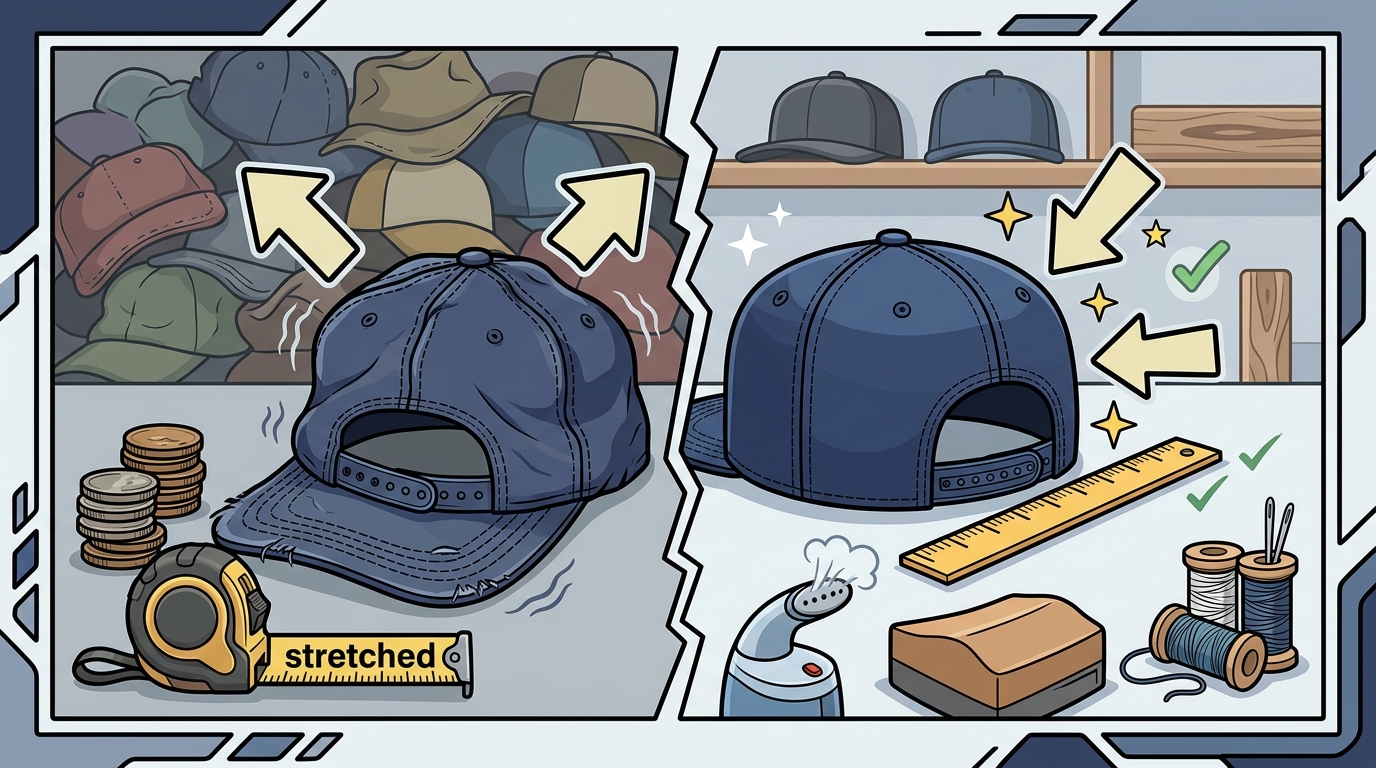
How Material Quality Affects Hat Longevity
Fabric construction is the single most important factor in whether a hat holds its shape. Cheap, loosely woven materials stretch and degrade far faster than tightly constructed performance fabrics.
| Material | Stretch Tendency | Durability | Best For |
|---|---|---|---|
| 100% Cotton | High | Moderate | Casual wear |
| Wool Blend | Medium | Moderate | Cold weather |
| Polyester | Low | High | Active/outdoor use |
| Performance Blend | Very Low | Very High | All-day, any occasion |
| Nylon/Synthetic | Low | High | Water sports, travel |
A durable hat is one that maintains its structural integrity, appearance, and functionality over long-term use. Blending natural and synthetic fibers helps manufacturers create textiles that resist stretching while remaining breathable. Banks Icon snapback hats are built with high-quality, lightweight performance materials that wick moisture and fight microbes, directly addressing the two biggest causes of stretch.
Common Mistakes That Accelerate Stretching
Even a well-made hat can lose its shape if you mistreat it. Here are the habits that do the most damage:
- Machine washing: The agitation cycle distorts hat structure and weakens stitching. Hand washing is the best method for cleaning hats, especially structured caps.
- Grabbing by the crown or brim edges: Repeated pulling on the front panel or brim creates permanent stretch zones.
- Stacking hats during storage: Weight and pressure from piled hats cause crowns to deform and brims to bend.
- Hanging wet hats: A wet hat hung on a hook stretches the crown under the weight of absorbed water.
The Sweatband Trap
A sweatband is the interior lining that sits against your forehead and absorbs perspiration. On cheaper hats, this band is often made of thin cotton that soaks through quickly, transferring moisture to the crown panels and accelerating stretch. Performance hats with moisture-wicking sweatbands solve this problem by pulling sweat away from the fabric before damage occurs.
How to Fix a Stretched-Out Hat
If your hat already feels loose, these methods can help restore a better fit:
1. The Foam Insert Method
Place a strip of adhesive-backed foam or folded newspaper under the sweatband where the hat feels loosest. This adds thickness and reduces the internal circumference without altering the hat itself.
2. The Steam and Reshape Technique
Hold the hat about six inches above steam from a boiling kettle for 20 to 30 seconds. The heat relaxes the fibers temporarily, allowing you to gently reshape the crown inward. Let it air dry on a rounded form that matches your head size.
3. Shrink Washing (Cotton Hats Only)
For cotton hats that have stretched significantly, a careful hand wash in warm water followed by air drying can tighten fibers slightly. Avoid hot water or machine drying, which can cause uneven shrinkage or color bleeding.
Preventing Hat Stretch: Storage and Care Tips
Prevention is always easier than repair. Follow these habits to keep your hats fitting like new:
- Store hats on a hat stand or stuffed with tissue paper to maintain the crown's shape.
- Air dry hats on a flat, breathable surface away from direct sunlight or heat sources.
- Handle your hat with both hands when putting it on or removing it to preserve structural integrity.
- Rotate between multiple hats so no single cap takes all the daily wear.
- Invest in hats with moisture-wicking, antimicrobial materials that resist sweat-driven degradation.
Why Snapbacks Hold Their Fit Better
A snapback is an adjustable-closure hat that uses a plastic snap mechanism at the back to let you dial in the perfect fit. Unlike fitted hats that rely entirely on fabric tension, snapbacks give you a mechanical adjustment point. Even if the fabric relaxes slightly over time, you can simply tighten the snap one notch.
This is one reason why Banks Headwear designed their entire line around the snapback format. Their hats combine an adjustable snap closure with performance fabrics that are breathable, water-friendly, and built to outlast ordinary caps. When you pair a snapback closure with materials that resist stretch in the first place, you get a hat that maintains its fit far longer than a standard fitted or flex-fit cap.
Browse the full range of Banks premium performance snapback hats to see the difference quality construction makes.
Key Takeaways
- Hat stretching is primarily caused by sweat, heat, and low-quality fabric construction.
- Cotton hats stretch the fastest; performance blends of natural and synthetic fibers resist stretching best.
- Machine washing, improper storage, and rough handling accelerate hat deformation.
- Foam inserts, steam reshaping, and careful shrink washing can restore a stretched hat.
- Snapback closures provide a mechanical advantage over fitted hats by letting you re-adjust the fit.
- Moisture-wicking, antimicrobial materials prevent the sweat damage that causes most stretching.
- Proper storage on a hat stand or stuffed with tissue keeps the crown's shape intact between wears.
Frequently Asked Questions
Why does my hat stretch out so quickly?
The most common reasons are low-quality fabric, frequent sweat exposure, and heat damage. Natural fibers like cotton and wool are particularly prone to stretching when they go through repeated wet and dry cycles.
Can I shrink a hat that has stretched out?
Yes. For cotton hats, hand washing in warm water and air drying can tighten fibers. For other materials, steam reshaping or adding foam inserts under the sweatband are effective options.
Does machine washing ruin hats?
In most cases, yes. Machine washing distorts a hat's shape and weakens stitching. Hand washing with mild detergent and cold water is the recommended method for structured caps.
Are snapbacks better than fitted hats for maintaining fit?
Snapbacks offer a clear advantage because their adjustable closure lets you compensate for any minor fabric relaxation over time. Fitted hats rely solely on fabric tension, which degrades faster.
What hat material lasts the longest without stretching?
Performance blends that combine synthetic fibers like polyester with breathable construction tend to last longest. These materials resist moisture absorption and maintain their shape through heavy use.
How should I store my hats to prevent stretching?
Store hats on a hat stand or stuff the crown with tissue paper. Keep them in a cool, dry place away from direct sunlight. Avoid stacking hats on top of each other.
Do sweatbands help prevent hat stretching?
Quality sweatbands that wick moisture away from the hat's fabric can significantly reduce stretch over time. Look for hats with antimicrobial, moisture-wicking inner bands.
How long should a good hat last before stretching?
A well-constructed performance hat can maintain its fit for years with proper care. Budget hats made from thin cotton may start stretching noticeably within weeks of regular wear.
Ready to Stop Replacing Stretched-Out Hats?
If you are tired of hats that lose their shape after a few wears, it is time to upgrade to headwear built for real life. Banks Headwear designs premium performance snapback hats with moisture-wicking, antimicrobial materials and an adjustable snap closure that keeps the fit locked in. Explore the full collection and find a hat that lasts as long as your ambition.