

You finally found your perfect hat. It fit like a glove, looked incredible, and quickly became your go-to. Then, a few weeks later, it started sliding around your head like it belonged to someone else. Sound familiar? Hat stretching is one of the most common complaints in headwear, and the culprit is almost always a combination of fabric choice, moisture exposure, and improper care. The good news is that most stretching can be prevented or reversed with a few smart habits. In this guide, we break down exactly why hats lose their shape and what you can do about it today.
Why Hats Stretch Out in the First Place
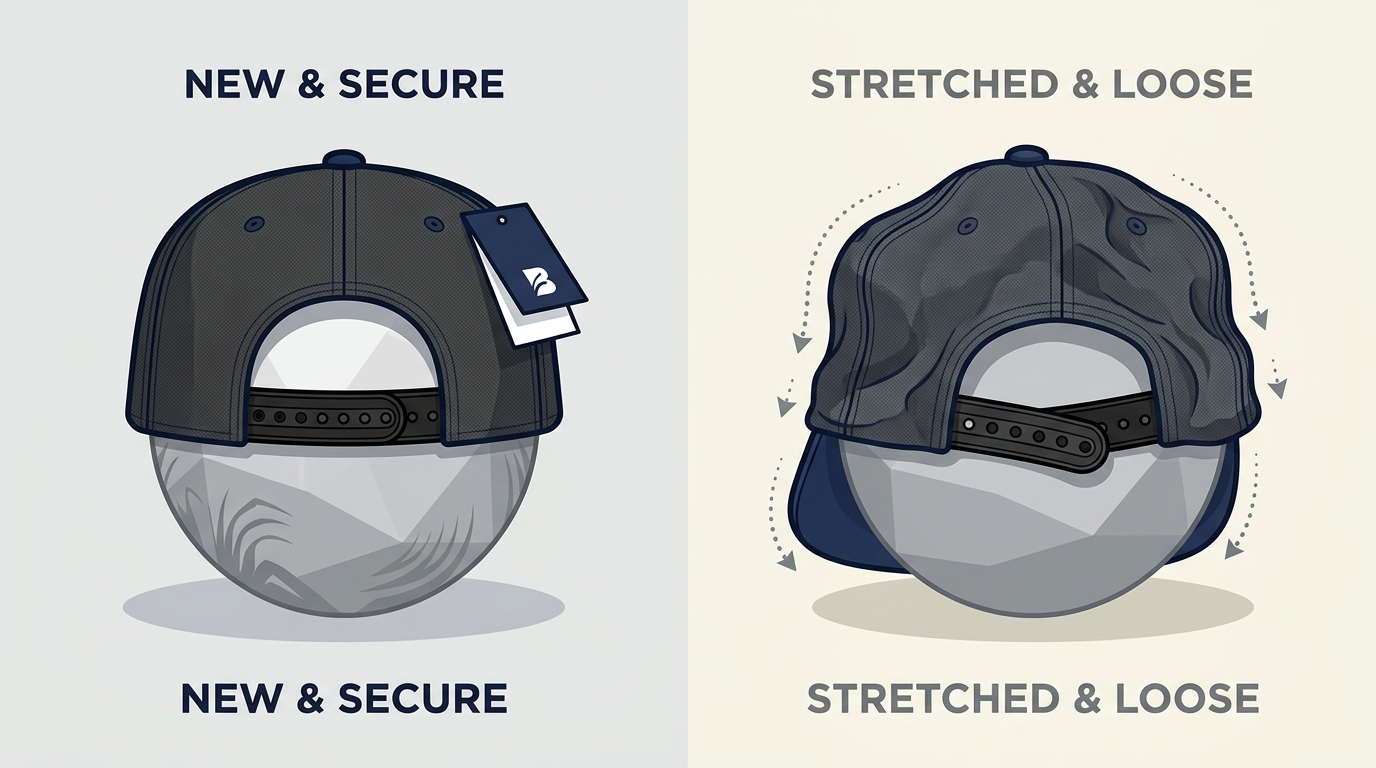
Hat stretching is the gradual loss of structural tension in the crown and sweatband of a hat, causing it to sit looser over time. Every hat experiences some break-in, but rapid stretching signals a deeper issue with materials or care.
The primary drivers are heat, moisture, and mechanical stress. When you wear a hat during workouts, outdoor activities, or hot weather, sweat saturates the interior fibers. As those fibers absorb moisture, they swell and loosen. Over repeated cycles of wetting and drying, the material loses its ability to snap back to its original dimensions.
The Role of Sweatband Breakdown
The sweatband is the interior lining that grips your forehead. In cheaper hats, this band is often made of basic cotton or thin foam that degrades quickly with sweat exposure. Once the sweatband loses elasticity, the entire hat feels oversized, even if the crown panels are intact.
Mechanical Stretching from Handling
How you grab your hat matters more than you think. Repeatedly pulling on the brim or pinching the crown reshapes the hat over time. According to hat care experts, pinching the front of a hat will reshape it over time and can eventually tear felt materials.
How Fabric Choice Affects Hat Longevity
Fiber composition is the single biggest factor determining whether your hat holds its shape or becomes a floppy mess. Here is how the most common hat materials compare:
| Material | Stretch Resistance | Moisture Behavior | Shape Retention |
|---|---|---|---|
| 100% Cotton | Low | Absorbs and holds moisture | Poor over time |
| Polyester Blend | High | Wicks moisture away | Excellent |
| Wool/Felt | Medium | Absorbs slowly, dries slowly | Good with care |
| Nylon | High | Dries fast, resists mildew | Very good |
| Performance Blend (e.g., Banks Icon) | Very High | Wicks moisture, antimicrobial | Excellent |
Cotton is soft and breathable, but it absorbs moisture and holds onto it, which causes fibers to swell and weaken over time. Performance materials like polyester blends are engineered to repel water and dry quickly, which is why they hold their shape far longer. The Banks Icon snapback collection uses lightweight, moisture-wicking materials that fight microbes and resist the kind of breakdown that plagues traditional cotton hats.
Moisture: Your Hat's Worst Enemy
Moisture wicking is a fabric's ability to pull sweat away from your skin and move it to the outer surface, where it can evaporate. Hats without this technology trap sweat against the interior, creating the ideal conditions for fiber degradation.
Cotton hats are especially vulnerable. They absorb sweat like a sponge and take a long time to dry. That prolonged dampness weakens the fibers and stretches the sweatband with every wear. Performance hats built with moisture-wicking and antimicrobial fabrics avoid this problem entirely by moving sweat to the surface for rapid evaporation.
Why Machine Washing Makes It Worse
Tossing your hat in the washing machine subjects it to heat, agitation, and spin forces that accelerate stretching. Tumble drying applies additional heat and motion that distort fibers. For most hats, spot cleaning with a damp white cloth and soap is the safest method.
Common Mistakes That Ruin Your Hat Faster
Even with a quality hat, bad habits can shorten its lifespan dramatically. Here are the most common offenders:
- Hanging it on a hook by the brim: This stretches the brim and crown unevenly over time.
- Stuffing it in a backpack or pocket: Constant compression weakens the knit structure and causes permanent creases.
- Wearing a too-small hat: Forcing an undersized hat onto your head applies constant outward pressure that permanently stretches fibers.
- Leaving it in a hot car: Heat softens adhesives and relaxes fibers, compounding stretch damage.
- Grabbing it by the front panels: This pinches and reshapes the crown with every pick-up.
How to Fix a Hat That Has Already Stretched
If your hat has already loosened, you have a few options depending on severity.
The Foam Insert Method
For minor looseness, place a thin strip of foam or folded fabric under the interior sweatband where the gap is largest. This creates a snugger fit without altering the hat itself. It is a quick, reversible fix.
The Steam and Reshape Method
For cotton or felt hats, light steaming can help fibers contract slightly. Hold the hat about six inches above a boiling kettle, letting steam penetrate the crown. Then reshape it by hand and let it air dry on a rounded surface like a bowl. Avoid over-wetting the hat, as this can cause dye bleeding or further damage.
When to Replace Instead of Repair
If the sweatband has completely lost elasticity or the crown panels are visibly warped, no amount of reshaping will bring it back. This is the point where investing in a hat built with premium performance materials pays off long-term.
Prevention Tips to Keep Your Hat Fitting Perfectly
Prevention is always easier than repair. These habits will keep your favorite hat fitting like new for months or even years:
- Choose performance fabrics: Hats made with moisture-wicking, quick-dry materials resist the sweat damage that causes stretching.
- Store it properly: Rest your hat on a flat surface or a hat stand, never hanging by the brim.
- Spot clean only: Skip the washing machine. A damp cloth and mild soap handle most stains.
- Let it dry completely: After a sweaty day, set it in a well-ventilated area away from direct sunlight.
- Buy the right size: An adjustable snapback eliminates the guesswork. Banks Headwear designs their snapbacks in multiple sizes, including Classic, Small, and XL, so the fit is precise from day one.
Key Takeaways
- Hat stretching is primarily caused by moisture absorption, heat exposure, and poor handling habits.
- Cotton hats absorb and hold sweat, making them far more prone to stretching than performance fabrics.
- Moisture wicking is the process of pulling sweat away from the skin to the fabric surface for evaporation.
- Machine washing and tumble drying accelerate hat degradation significantly.
- Minor stretching can be fixed with foam inserts or steam reshaping, but severe cases require replacement.
- Choosing a hat with antimicrobial, quick-dry materials is the best long-term prevention strategy.
- Proper storage and spot cleaning extend hat life dramatically.
Frequently Asked Questions
Why does my hat stretch out so quickly?
The most common reason is fabric composition. Cotton and basic blends absorb sweat and lose their shape with each wear-and-dry cycle. Performance materials that wick moisture resist this stretching.
Can I shrink a hat that has stretched out?
For cotton or wool hats, light steaming followed by air drying on a rounded form can tighten fibers slightly. However, synthetic performance hats rarely stretch in the first place, making shrinking unnecessary.
Is it bad to wash my hat in the washing machine?
Yes, for most hats. The heat, agitation, and spinning distort fibers and break down adhesives. Spot cleaning with a damp cloth and mild soap is the safer method.
What is the best hat material to prevent stretching?
Performance polyester blends with moisture-wicking properties hold their shape the longest. Look for hats that also feature antimicrobial treatment, which prevents sweat-related fiber degradation.
Do snapback hats stretch out less than fitted hats?
Generally yes. Snapbacks have an adjustable closure, so the crown is not under constant outward pressure the way a tight fitted hat would be. This reduces mechanical stretching significantly.
How should I store my hat to prevent stretching?
Store it on a flat surface or a hat stand with the crown supported. Avoid hanging it by the brim or stuffing it into bags or pockets.
How often should I clean my hat?
Spot clean as needed after sweaty activities. Deep cleaning should be rare and done by hand only. Let the hat air dry completely before wearing it again.
Are expensive hats more resistant to stretching?
Not necessarily based on price alone, but hats engineered with performance fabrics, reinforced sweatbands, and antimicrobial treatments do last significantly longer. Quality construction matters more than brand prestige.
Ready to Stop Replacing Stretched-Out Hats?
The Banks Icon snapback is built with lightweight, moisture-wicking, antimicrobial materials designed to hold their shape through workouts, adventures, and daily wear. Explore the full collection and find your perfect fit at Banks Headwear.