
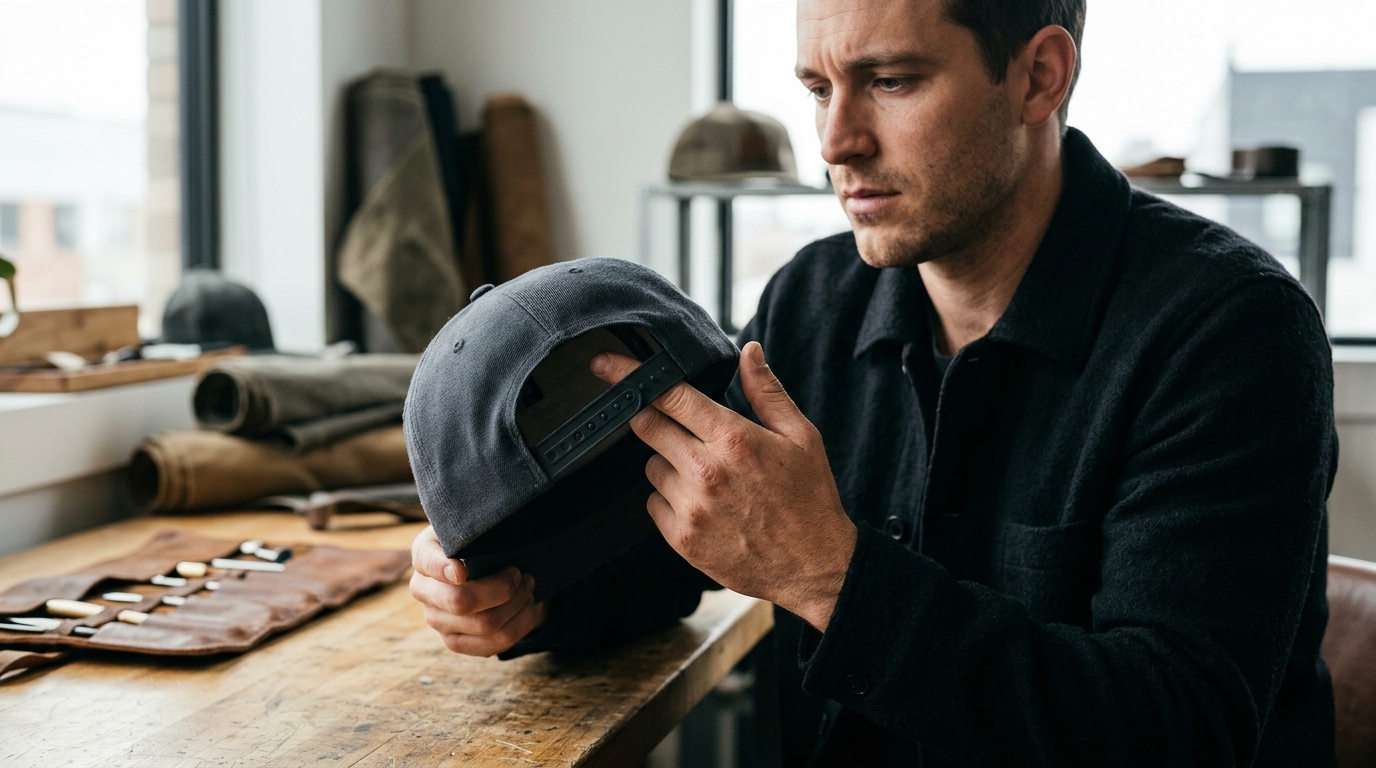
You bought a hat you loved, wore it everywhere, and now it slides around your head like it belongs to someone two sizes bigger. Sound familiar? Hat stretching is one of the most common frustrations in headwear, and it usually comes down to a handful of preventable causes. The good news is that most stretched hats can be rescued with the right technique. In this guide, we break down the science behind why hats lose their shape, walk you through proven fixes, and explain what to look for in a hat that actually holds up over time.
Why Hats Stretch Out in the First Place
Every time you pull a hat onto your head, you apply outward pressure on the fabric. Over dozens or hundreds of wears, those fibers gradually loosen. Sweat, body oils, and moisture compound the problem by weakening the structural bonds in the material.
Heat is another major culprit. Leaving a hat on a car dashboard, tossing it in a hot dryer, or wearing it through intense sun exposure accelerates fiber breakdown. According to fabric research from Modaknits, elastane fibers break down due to repeated washing, heat exposure, sweat, body oils, and harsh detergents.
The Role of Fabric and Recovery
Fabric recovery is a fabric's ability to return to its original shape after being stretched. It is the single most important factor in whether your hat keeps its fit or slowly becomes a loose mess. A hat can feel stretchy and comfortable on day one, but if its recovery is poor, it will bag out within weeks.
Cotton vs. Synthetic vs. Performance Blends
Pure cotton hats are soft and breathable, but cotton has low natural recovery. Cotton t-shirt collars and hat bands lose shape over time for this exact reason. Polyester-spandex blends are affordable but tend to stretch out faster than nylon-based fabrics, which offer superior elasticity recovery.
Premium performance hats, like the Banks Icon snapback collection, are built with high-quality, lightweight materials engineered for moisture wicking and durability, giving them a significant edge over basic cotton caps.
Why GSM Matters
GSM (grams per square meter) is a measurement of fabric density. Low-GSM lightweight fabrics are more prone to permanent stretch loss and fabric thinning under tension. A well-constructed hat uses a fabric weight that balances breathability with structural resilience.
Common Mistakes That Accelerate Stretching
Most hat owners unknowingly speed up stretching through everyday habits. Here are the biggest offenders:
| Mistake | Why It Causes Stretching | Better Alternative |
|---|---|---|
| Machine washing on hot | Heat weakens elastic fibers and distorts shape | Hand wash in cool water or spot clean |
| Tumble drying | Mechanical agitation and heat warp fabric | Air dry on a flat surface |
| Grabbing the crown to remove | Repeated pulling deforms the top panel | Use the brim to put on and remove |
| Storing crushed in a bag | Compressed fibers lose their memory | Store on a hat rack or flat shelf |
| Wearing a too-small size | Constant overpressure forces fibers apart | Choose the correct size from the start |
Overwashing is especially harmful. Every wash cycle breaks down fabric fibers a little more, and when those fibers weaken, the hat loses the structural strength it needs to hold its shape. If your hat does not smell or show stains, skip the wash and air it out instead.
How to Shrink a Stretched Hat Back to Size
The Steam Method
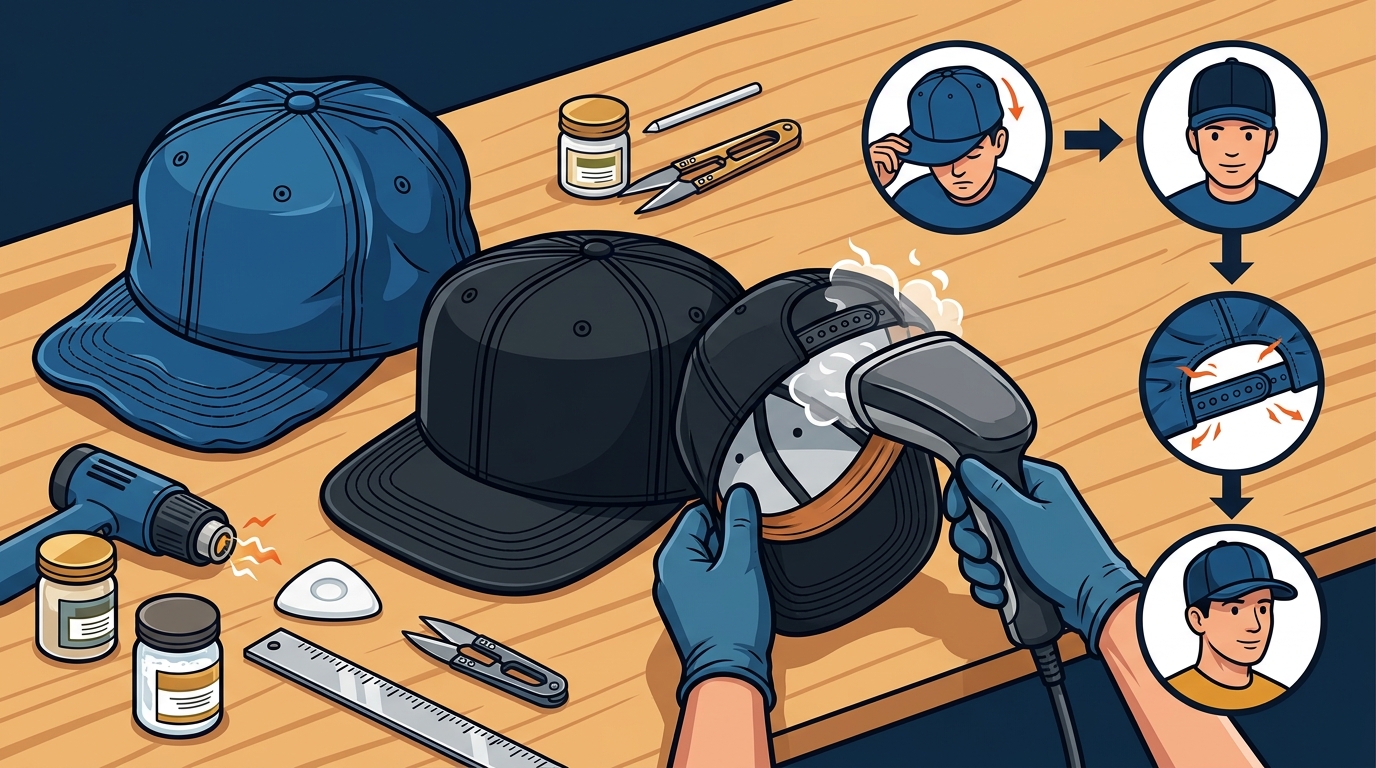
Steam is the safest and most controlled way to shrink a stretched hat. Boil water in a kettle, hold the hat's interior about six inches above the steam for 30 to 60 seconds, then let it air dry on your head or a round form. The heat causes natural fibers like cotton and wool to contract and tighten.
The Hair Dryer Method
Lightly dampen the inside of the hat with a spray bottle of lukewarm water. Then use a hair dryer on high heat, held about six inches away, to dry the hat while gently reshaping it. Wear the hat while it is still slightly damp to mold it to your head. This works well on cotton and wool but is less effective on polyester.
The Washing Machine Method (Use With Caution)
For cotton or wool hats only, run a gentle cycle with hot water. Remove the hat immediately, gently squeeze out excess water without wringing, and reshape while wet. Air dry completely. Avoid this method on hats with cardboard brims or delicate embellishments.
How to Prevent Hat Stretching Long-Term
Prevention is always easier than repair. Start by choosing hats built with performance materials that resist moisture damage and fiber breakdown. Beyond that, follow these care guidelines:
- Store hats on a flat surface or hat rack, never crushed under other items.
- Spot clean with a damp cloth rather than fully submerging in water.
- Air dry away from direct heat and sunlight.
- Use both hands when putting on and removing your hat to distribute pressure evenly.
- If your hat gets sweaty, let it dry completely before storing.
Hats with antimicrobial properties require less frequent washing, which directly extends their lifespan. The Banks Icon Tropical collection is designed to fight microbes and wick moisture, reducing the need for aggressive cleaning.
Why Snapback Hats Hold Their Fit Better
A snapback hat is a cap with an adjustable plastic snap closure at the back, allowing the wearer to dial in a precise fit. Unlike fitted hats that rely entirely on fabric tension to stay on your head, snapbacks distribute the load between the closure mechanism and the crown panels.
This design means the fabric itself endures less outward stress with every wear. If the hat does loosen slightly over time, you simply adjust the snap. It is one of the most practical solutions to the stretching problem.
Banks Headwear took this concept further by engineering premium performance snapback hats with water-friendly, breathable, lightweight construction that even floats. When your hat is built to handle sweat, rain, and heavy use without fiber degradation, stretching becomes a non-issue.
Key Takeaways
- Hats stretch primarily because of heat exposure, moisture, overwashing, and poor fabric recovery.
- Fabric recovery, not stretchiness, determines whether a hat keeps its shape over time.
- Cotton hats are the most prone to permanent stretch; nylon-based performance blends hold up significantly longer.
- Steam is the safest method to shrink a stretched hat back to size at home.
- Proper storage on a flat surface or hat rack prevents shape loss between wears.
- Snapback closures reduce fabric stress by letting you adjust fit mechanically.
- Performance hats with moisture-wicking and antimicrobial features need less washing, extending their lifespan.
Frequently Asked Questions
Why does my hat stretch out so fast?
The most common reasons are heat exposure, excessive moisture from sweat or rain, overwashing, and fabrics with poor recovery. Cheap cotton or low-GSM materials lose shape faster than premium performance blends.
Can I shrink a hat that has already stretched out?
Yes, in most cases. Steam, warm water with air drying, and the hair dryer method can all tighten natural fiber hats. Polyester hats are more resistant to shrinking and may not respond well to these techniques.
Does washing my hat in the washing machine cause stretching?
It can. Hot water weakens elastic fibers, and the tumbling motion distorts the hat's shape. If you must machine wash, use a gentle cycle with cool water and always air dry.
Are snapback hats better than fitted hats for keeping their shape?
Generally, yes. Snapback closures let you adjust the fit mechanically, so the fabric endures less constant tension compared to a fitted hat that relies entirely on the material for its hold.
What is the best fabric for a hat that won't stretch?
Nylon-based performance blends with good fabric recovery hold their shape the longest. They outperform pure cotton and polyester-spandex blends in elasticity recovery and durability.
How should I store my hats to prevent stretching?
Keep them on a flat surface, a hat rack, or stuffed lightly with tissue paper. Avoid stacking heavy items on top of them or cramming them into tight spaces. Store in a cool, dry environment away from direct sunlight.
How often should I wash my hat?
As infrequently as possible. Spot clean when needed and air out after sweaty sessions. Hats with antimicrobial properties, like the Banks performance snapbacks, stay fresher longer and require less washing.
Can I fix a hat that has completely lost its shape?
If the fibers are severely degraded, the hat may be beyond full recovery. You can try the steam method for a partial fix, but at a certain point, investing in a higher-quality replacement is the smarter move. Reach out to Banks Headwear if you need help choosing your next hat.
Ready for a Hat That Actually Lasts?
Stop replacing stretched-out hats every few months. Banks Headwear builds premium performance snapbacks with lightweight, moisture-wicking, antimicrobial materials and an adjustable snap closure that keeps the fit dialed in wear after wear. Shop the Banks Icon collection and experience the difference quality construction makes.